 AI illustration
Cook the Korea you see on screen.
Everyday banchan, the dishes you see in K-dramas and convenience-store favorites — with swaps for what your local store actually sells.
Start from what made you hungry
 AI illustration
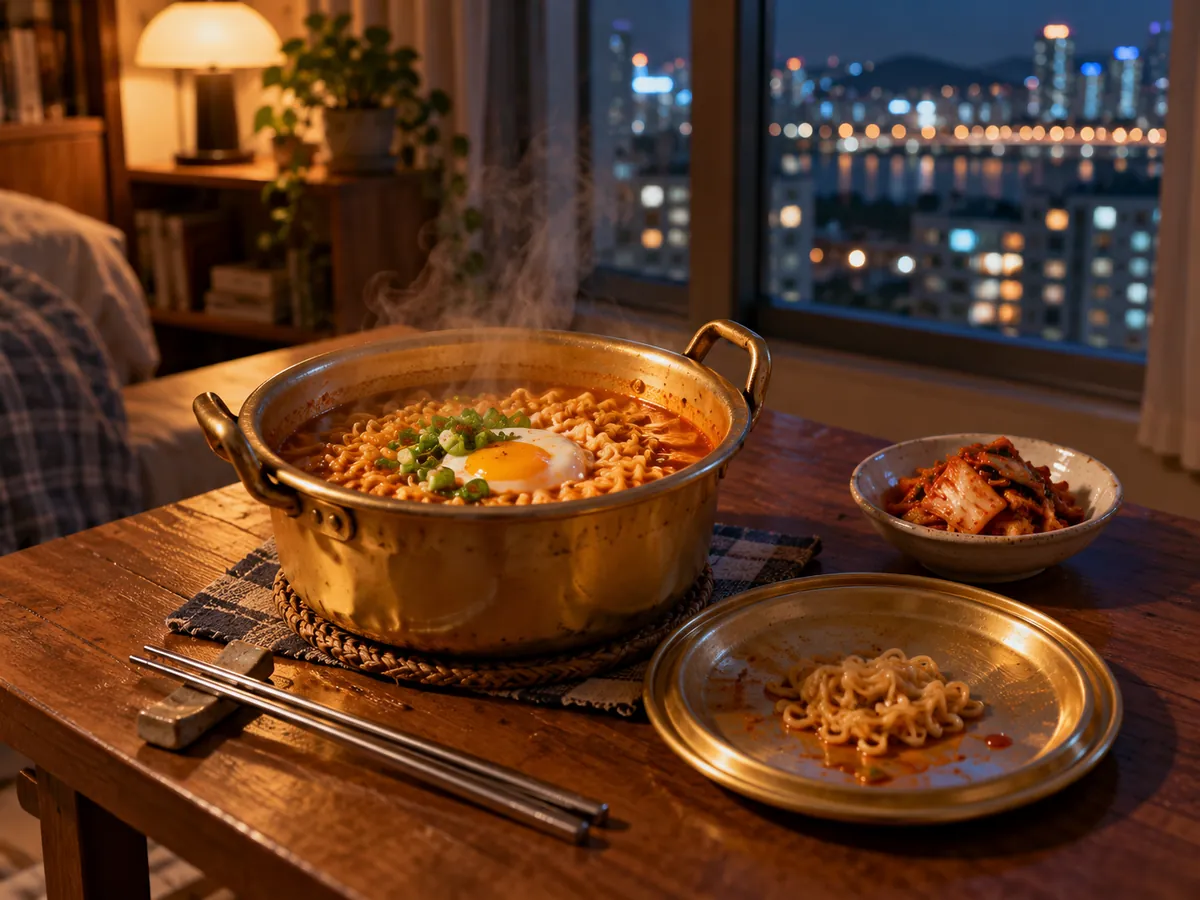
That ramyeon from the drama
The dishes that keep appearing in K-dramas, what they mean and how to cook them.
 AI illustration
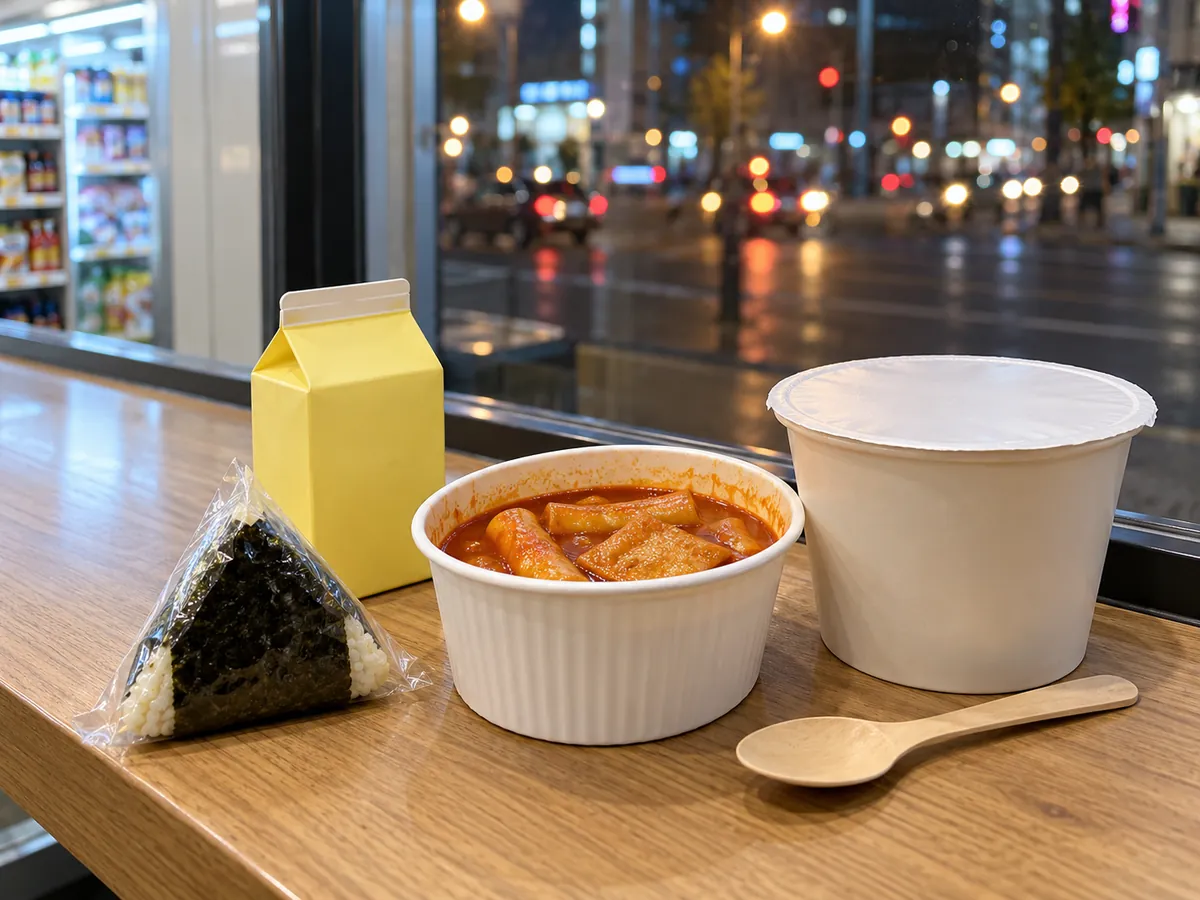
What to grab at a 24-hour store
Triangle gimbap, cup noodles, banana milk — and how to eat them like a local.
 AI illustration
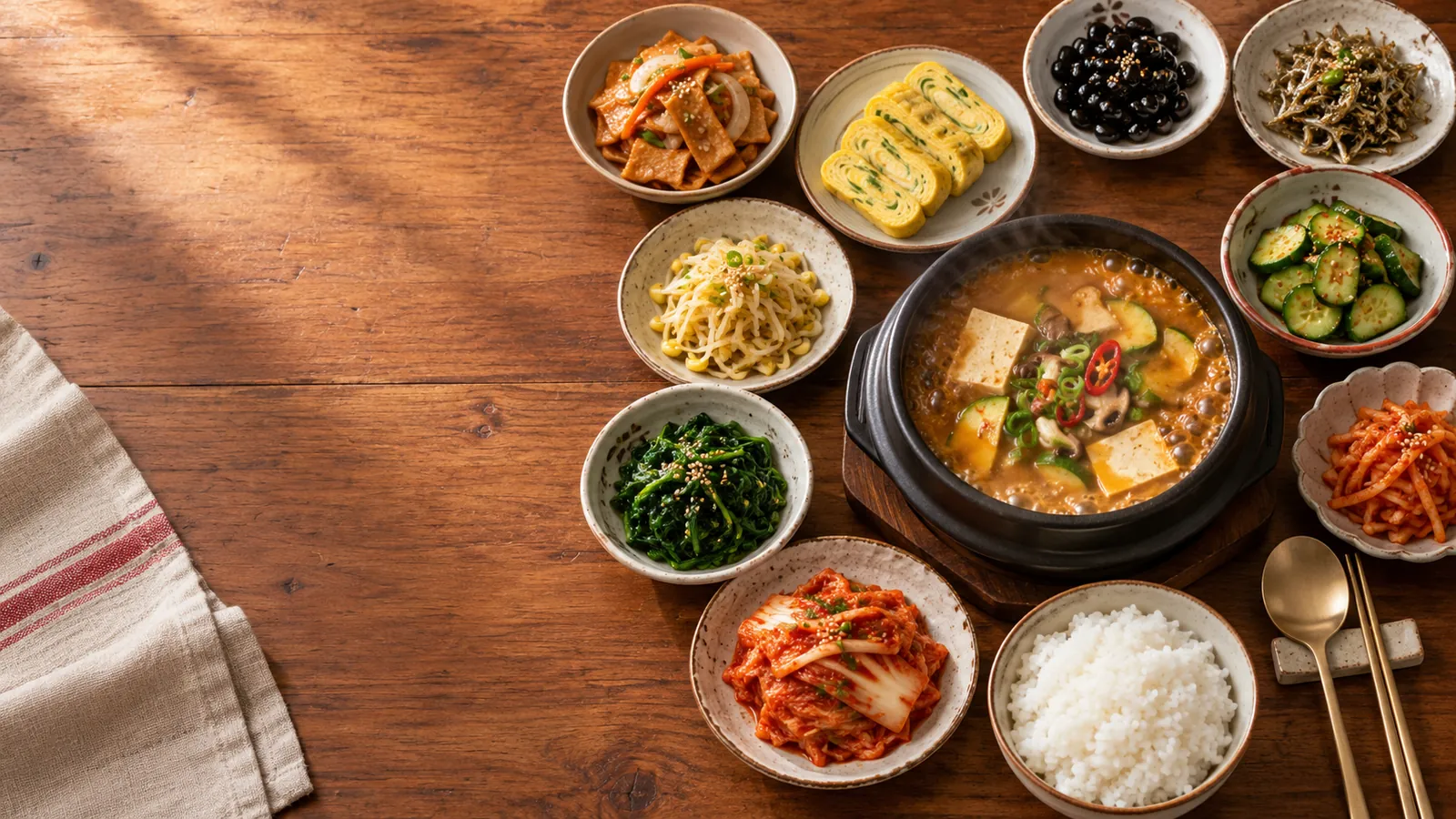
Small dishes, big table
Make-ahead side dishes that keep for days — the heart of every Korean meal.
Recipes
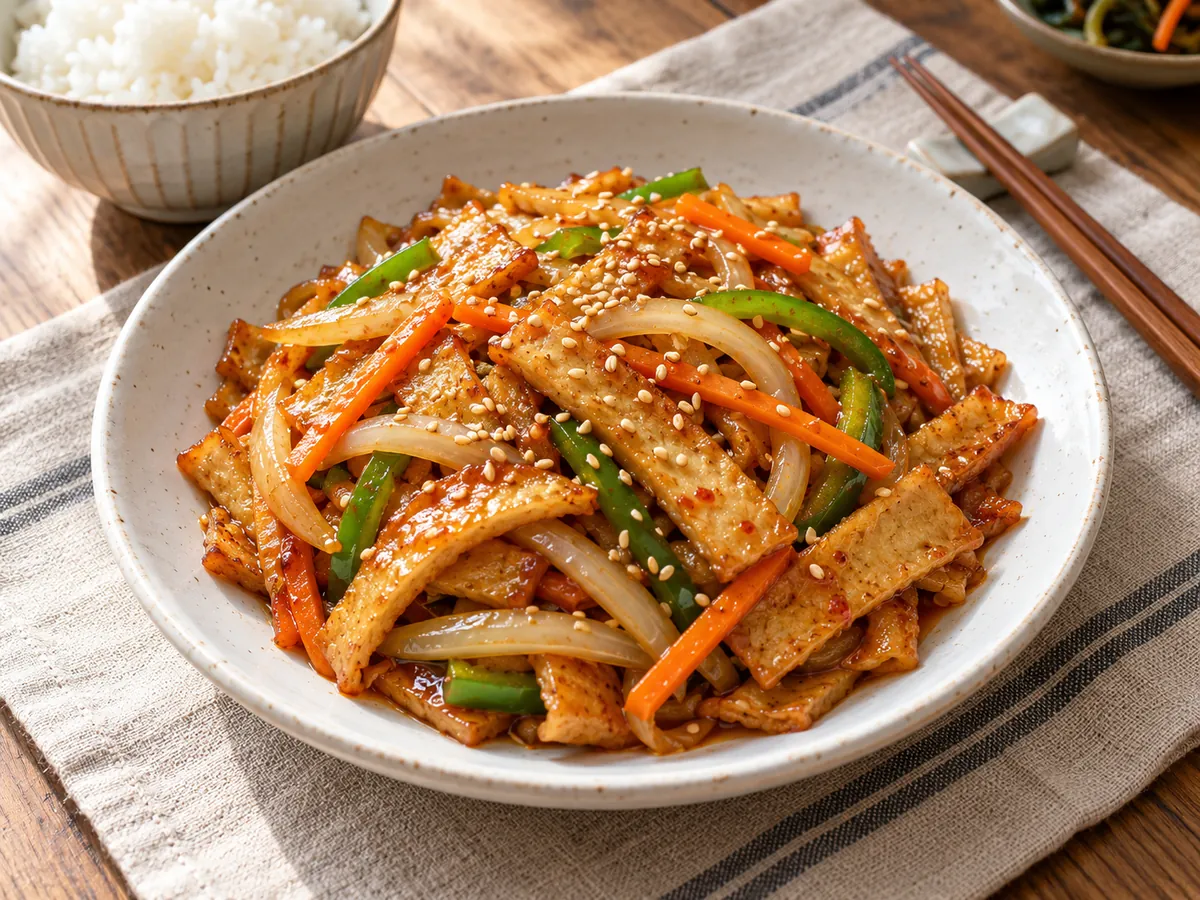
AI illustrationEomuk-bokkeum
Sweet, salty and a little glossy — the side dish in countless Korean lunchboxes. Fifteen minutes, one pan, and it keeps for days.
 AI illustration
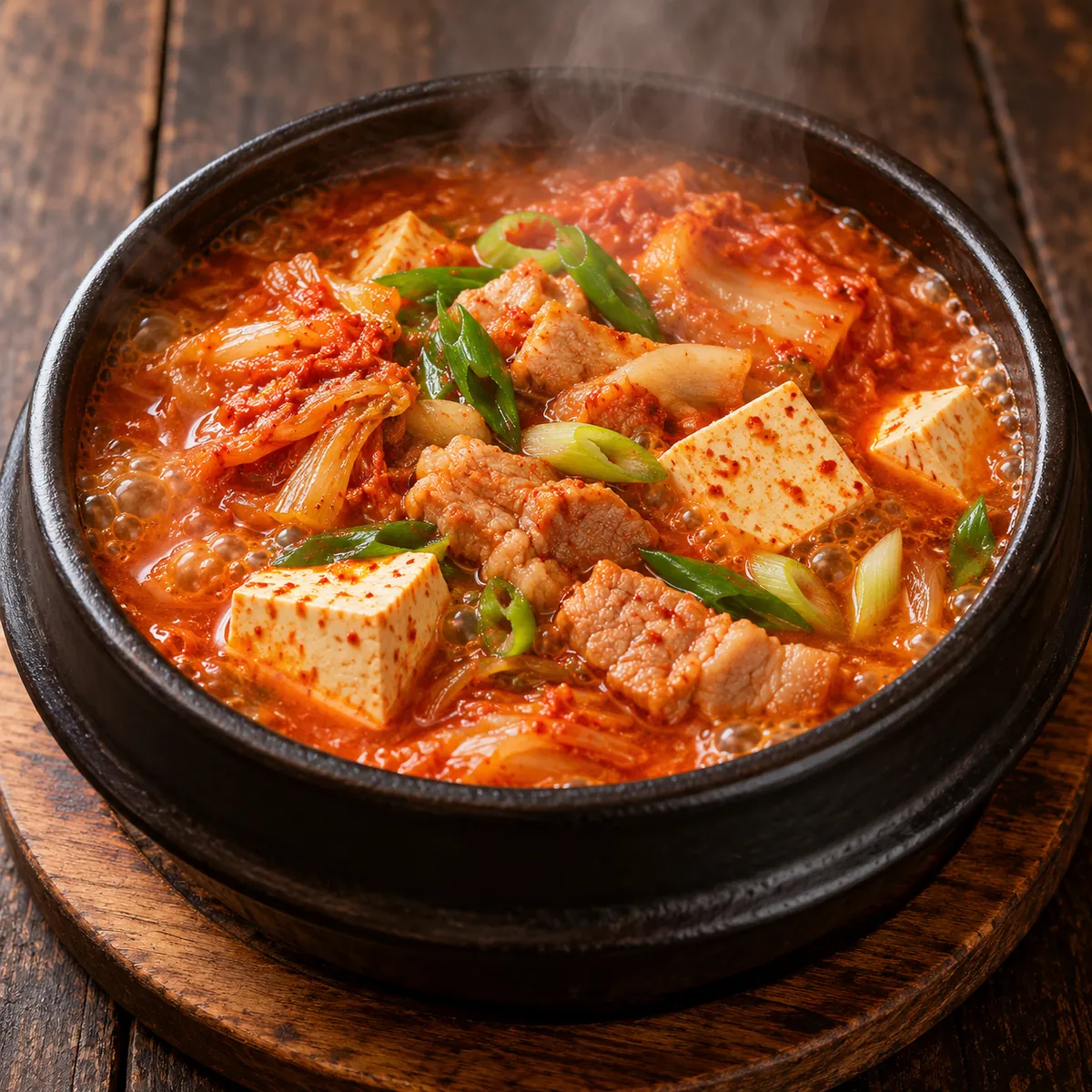
Kimchi Jjigae
The stew Koreans make when the kimchi turns sour — and the one that brings everyone back to the table. Well-fermented kimchi is the secret.
 AI illustration
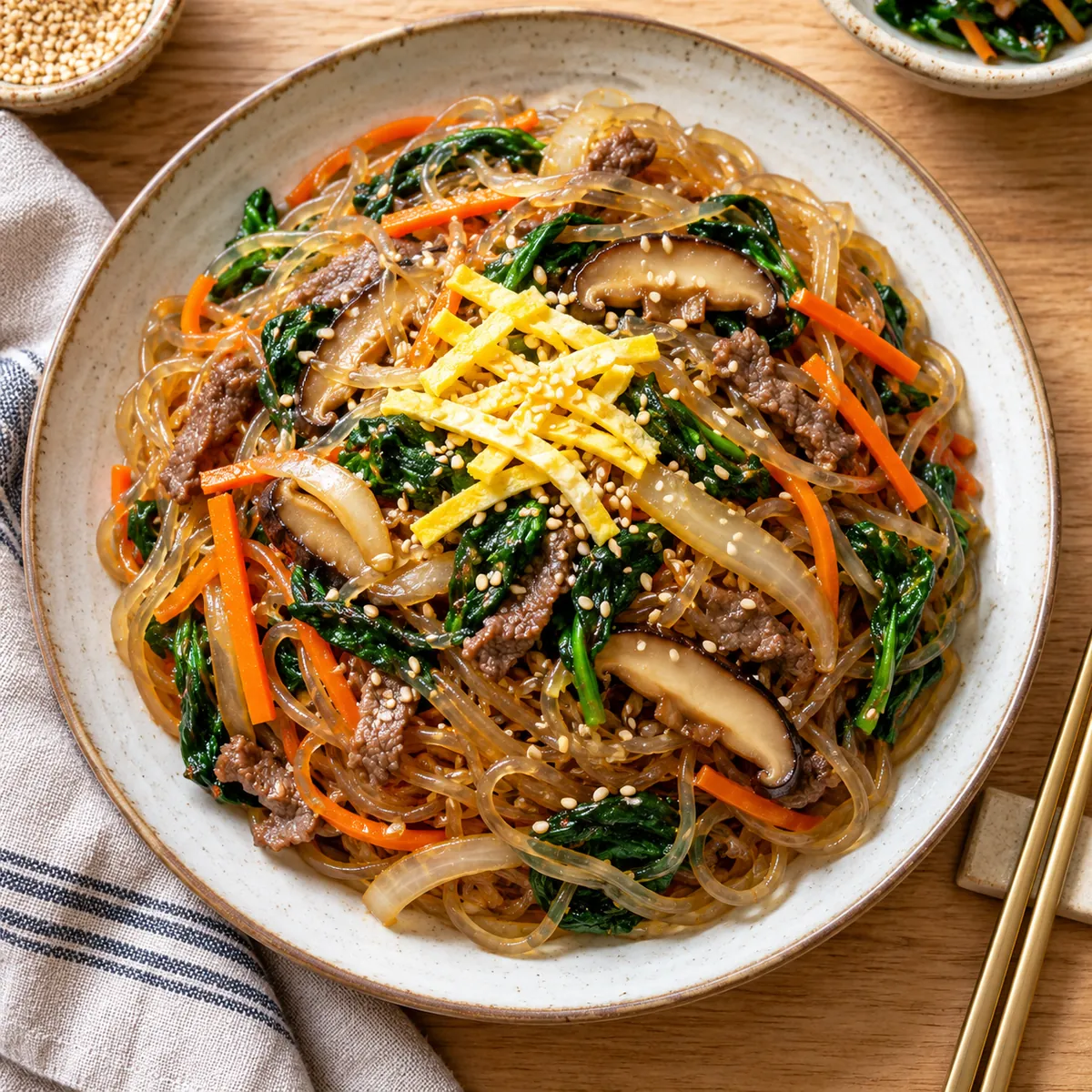
Japchae
Chewy glass noodles, colorful vegetables and a sweet-savory soy dressing — the dish on almost every Korean holiday and birthday table.
AI illustrationLate-night Pot Ramyeon
The pot, the egg, the lid used as a plate — the midnight bowl you have seen in a hundred Korean dramas, made the way Koreans actually make it.
 AI illustration
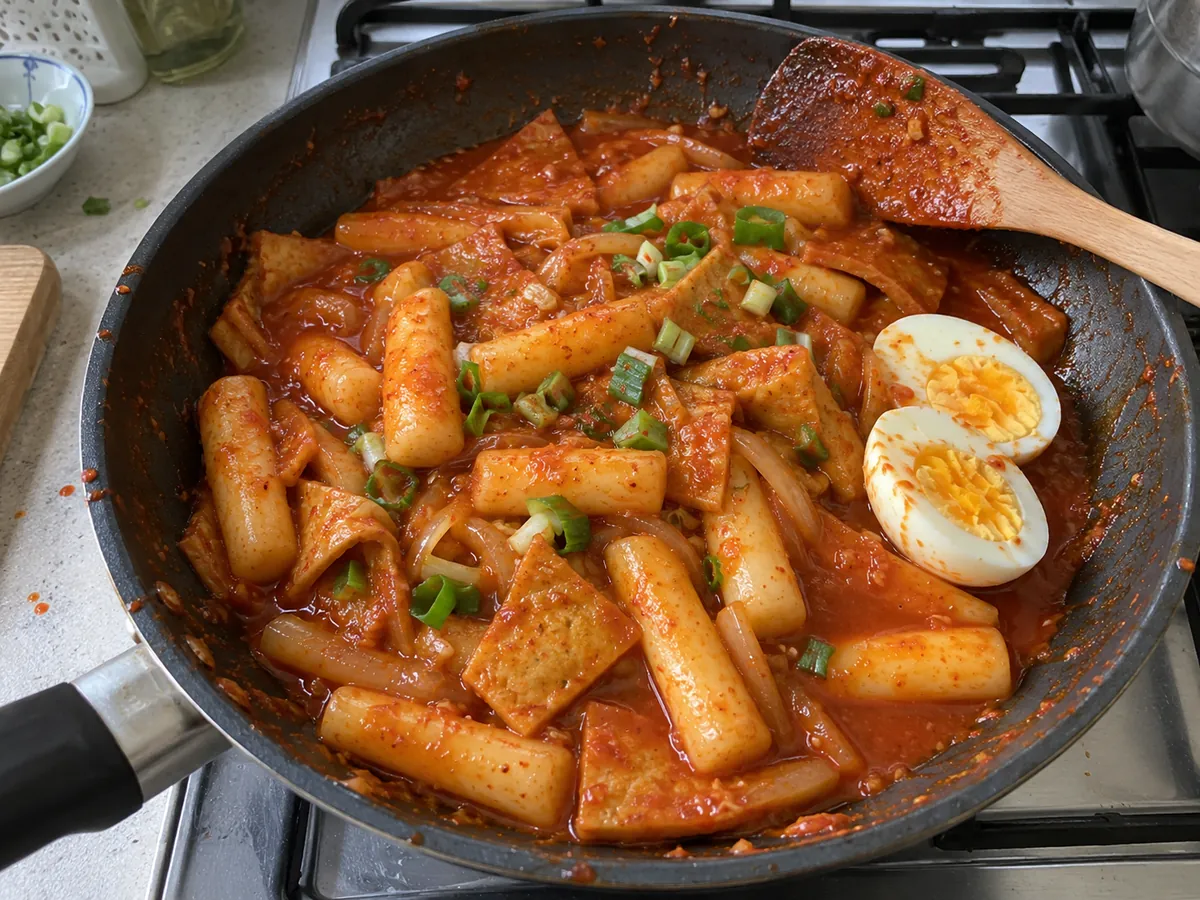
Tteokbokki
Chewy rice cakes in a sweet, spicy, glossy sauce — the red street snack sold from tents and stalls all over Korea.
 AI illustration
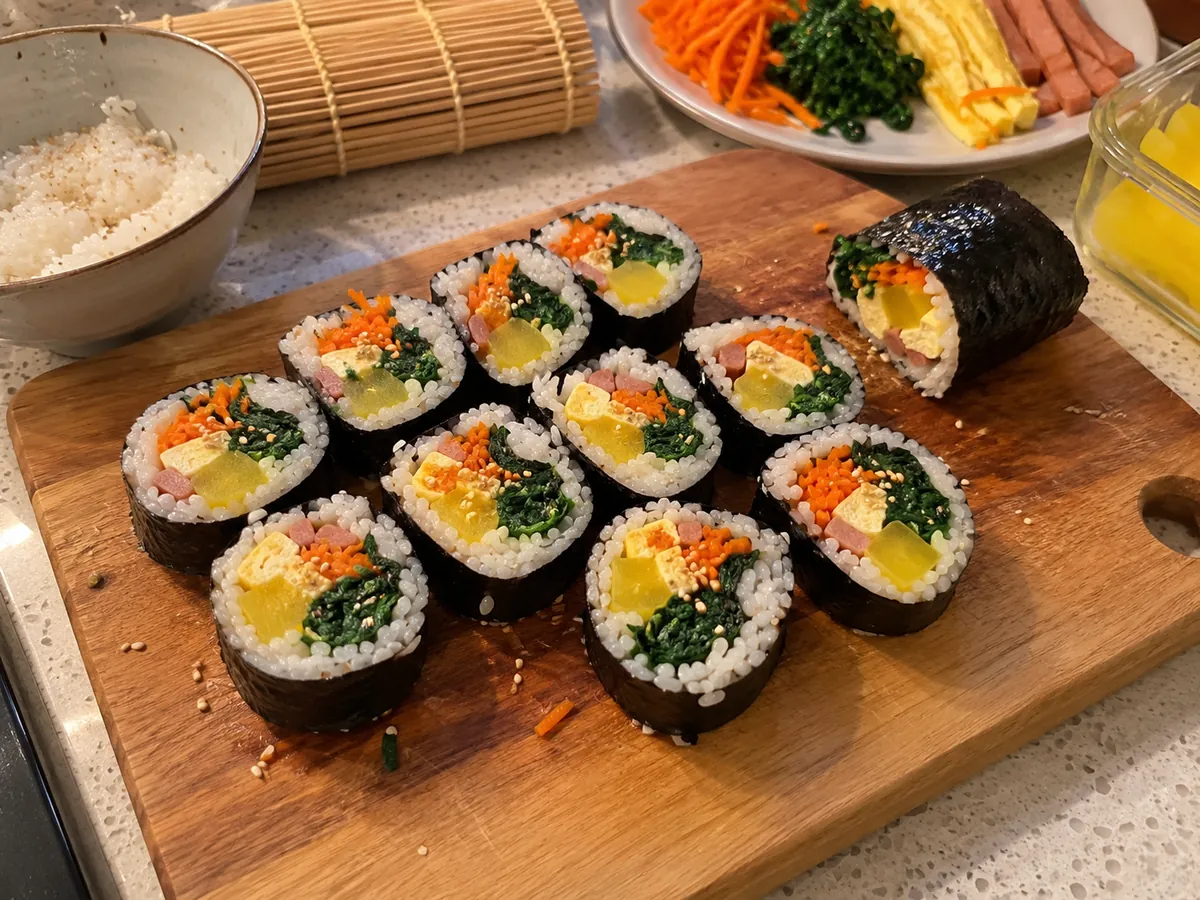
Gimbap
Rice and colorful fillings rolled in seaweed and sliced into rounds — the food Koreans pack for school trips, hikes and road trips.
Food you keep seeing in K-dramas
What these dishes mean in Korean daily life — and how to make them.
Ramyeon from the pot, late at night
Eaten straight from a small aluminum pot, with the lid as a plate. It means comfort, a late night, or an invitation to stay a little longer.
Kimchi jjigae at the family table
A bubbling pot in the middle of the table, shared by everyone. When a character comes home, this is often what is waiting.
Jjajangmyeon on moving day
Black bean noodles delivered to a new home full of boxes. Ordering jjajangmyeon on moving day is a long-standing Korean habit: it is quick, cheap and needs no kitchen.
Seaweed soup on a birthday
Miyeokguk, seaweed soup, is eaten on birthdays and by mothers after giving birth. If someone in a drama cooks it for another character, it is a quiet sign of care.
Can't find gochujang where you live?
Pick your country. Every recipe shows what to use instead and where people usually buy the real thing.
See it in a recipeSwaps are close, not identical — the taste will be a little different.
November on the Korean table
Kimjang season
Families make a whole winter’s kimchi together. Neighbors and relatives often help each other.
Good-luck sticky treats
Before the national college entrance exam, students get sticky rice cakes and taffy — “so the answers stick”.
Winter street snacks
Fish-shaped pastries filled with red bean, and syrup-filled pancakes, sold hot from street carts.
Birthday seaweed soup
Miyeokguk is the soup Koreans eat on their birthday — also eaten by mothers after giving birth.
A place to cook together is coming
We are building a community where cooks from everywhere can share what they made, ask questions and talk about the food on screen — with posts translated so everyone can join in.
Show what you cooked
Share a photo of your version and the swaps you used.
Ask the table
Can’t find an ingredient? Not sure it turned out right? Ask.
Talk about the food on screen
Spotted a dish in an episode? Find out what it is.
The Kitchen Table opens soon. Until then, every recipe page lists swaps for your country.
Browse recipes